


Eleven circular millstones (orbes) were discovered in the bay. Archaeological investigations also identified the incomplete remains of a stone base for the wooden vertical beams of an olive press (lapis pedicinus). These finds indicate the existence of a production area associated with an olive oil mill. Within the olive oil production area, the manufacturing process was organised in several stages. Olives were first crushed on stone bases, producing a pulp that was placed into bags made of natural materials and pressed beneath a wooden press. Pressure generated by vertical supports and levers extracted the oil from the olives.
Roman Olive Oil Mill
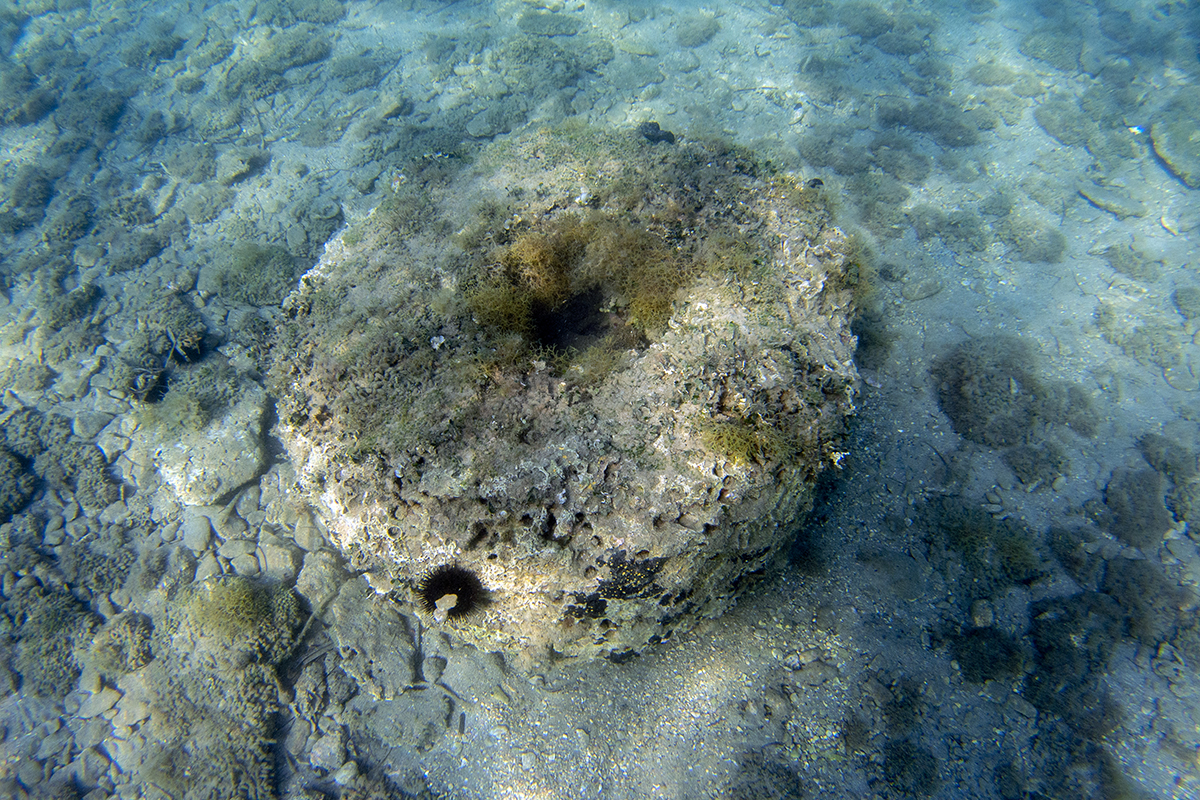
Foto: Arheološkog muzeja Istre, Pula
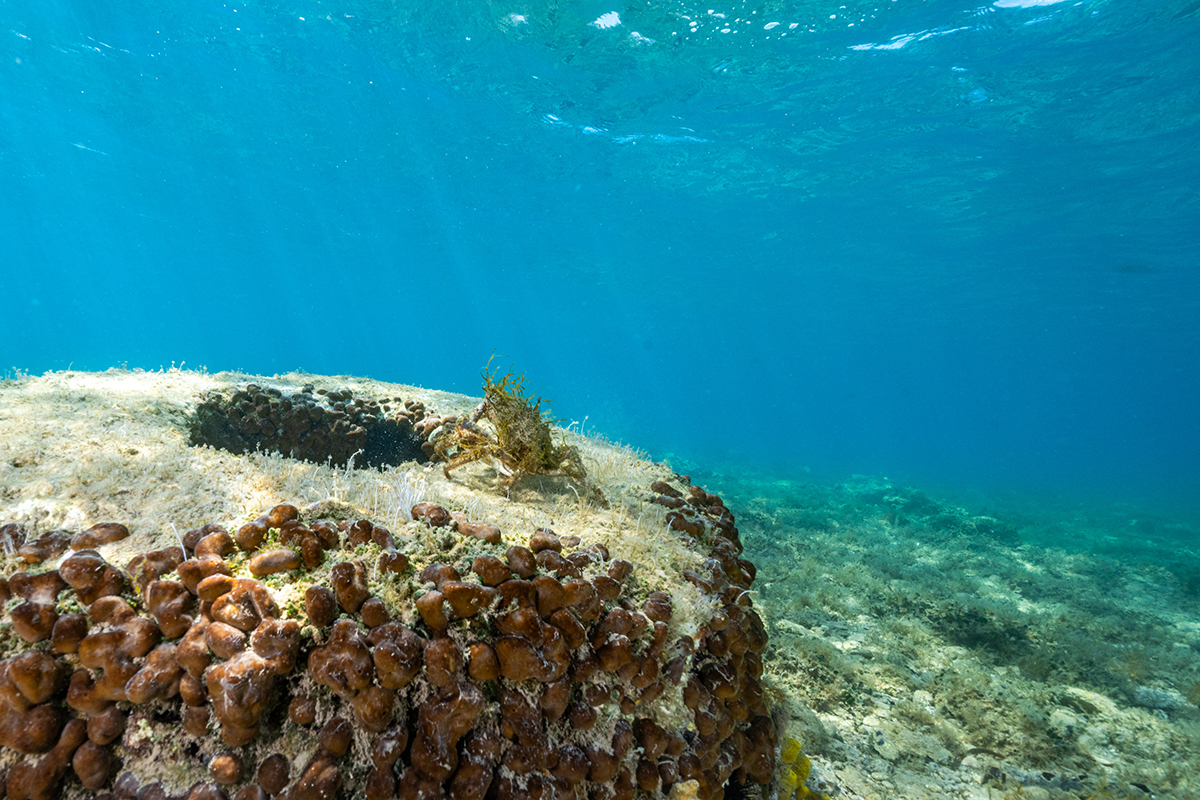
Foto: Anton Unković
The resulting liquid was then left to settle in stone containers or basins, where the oil naturally separated from water and impurities. Similarly to Roman saltworks, Roman olive oil production relied on simple yet efficient techniques.
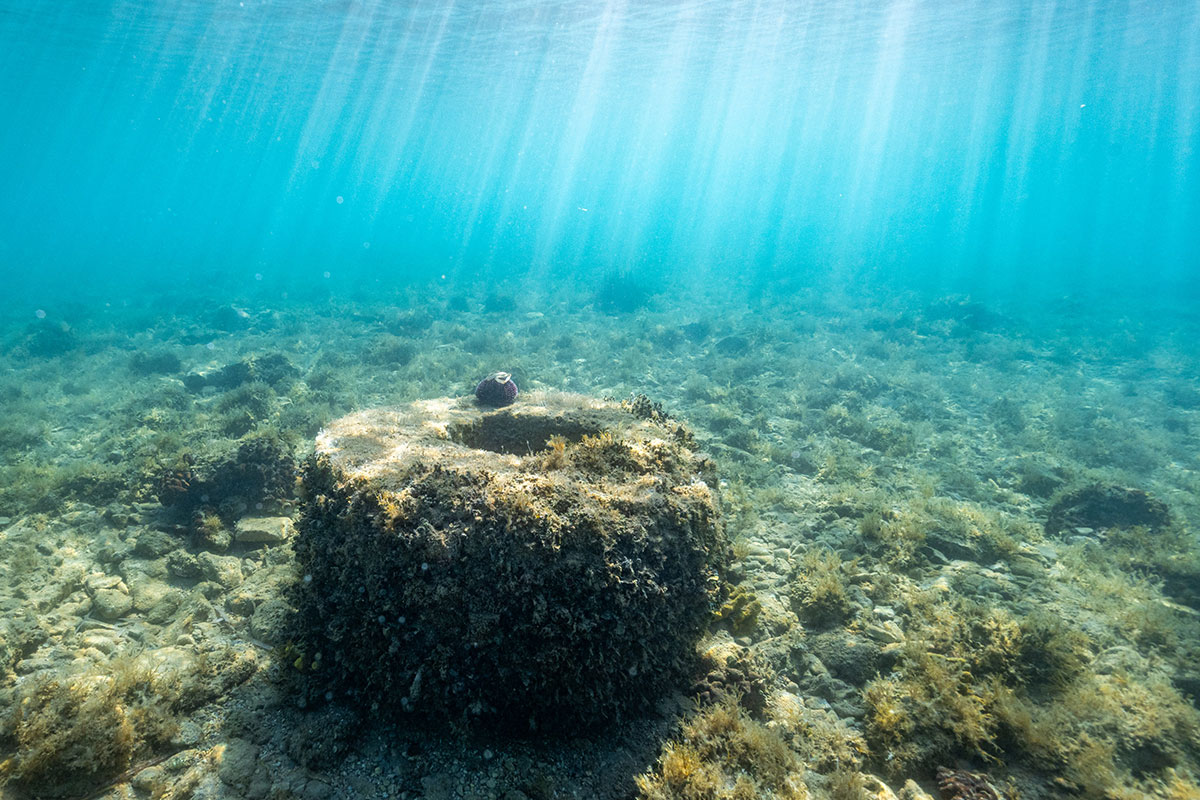
Foto: Anton Unković
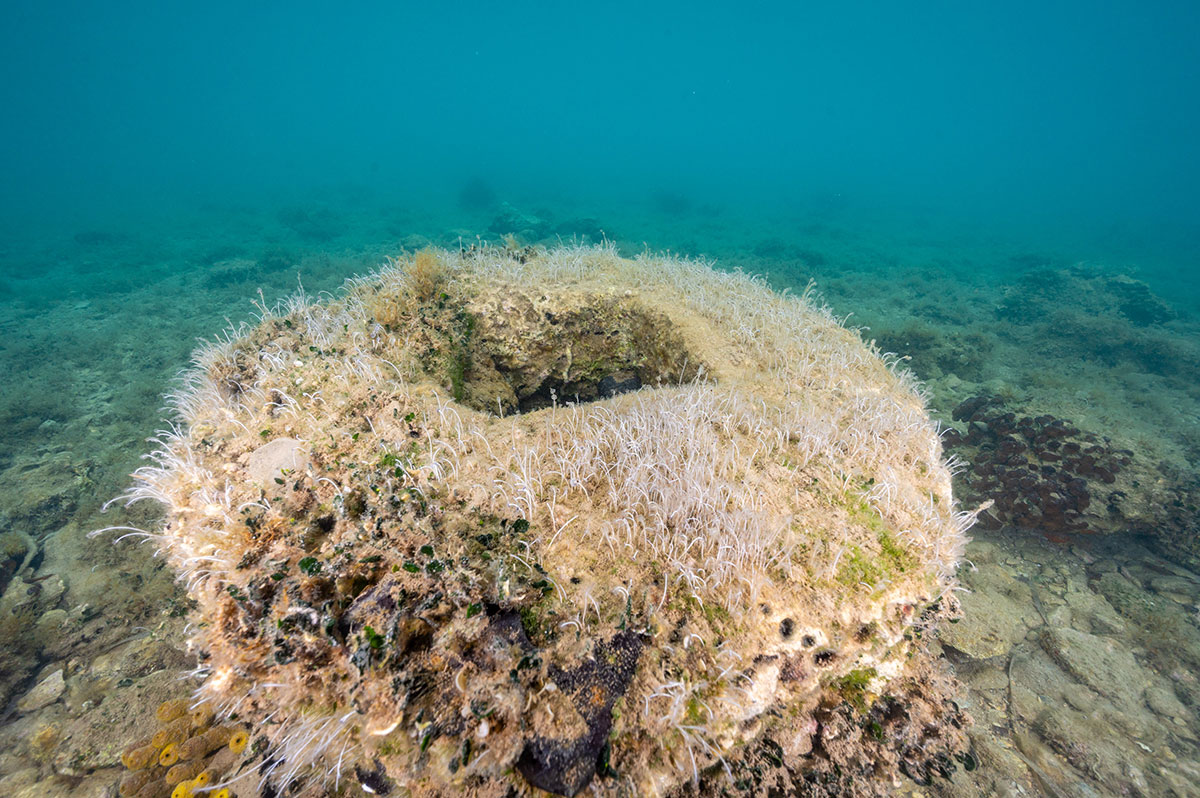
Foto: Anton Unković
Olive pits from the Olea europaea variety, dating back to the 1st century AD, were found at several locations in Bijeca. Particularly interesting is the fact that, in a later period, olive pits were also found inside the main channel and within the plant on the eastern shore, suggesting that the channels may subsequently have been used for curing olives in brine.
Izrada Web aplikacije sufinancirana je sredstvima Europske unije iz Europskog fonda za regionalni razvoj.