Roman Saltworks
(lat. salinae)

Foto: Arheološkog muzeja Istre, Pula
Foto: Anton Unković

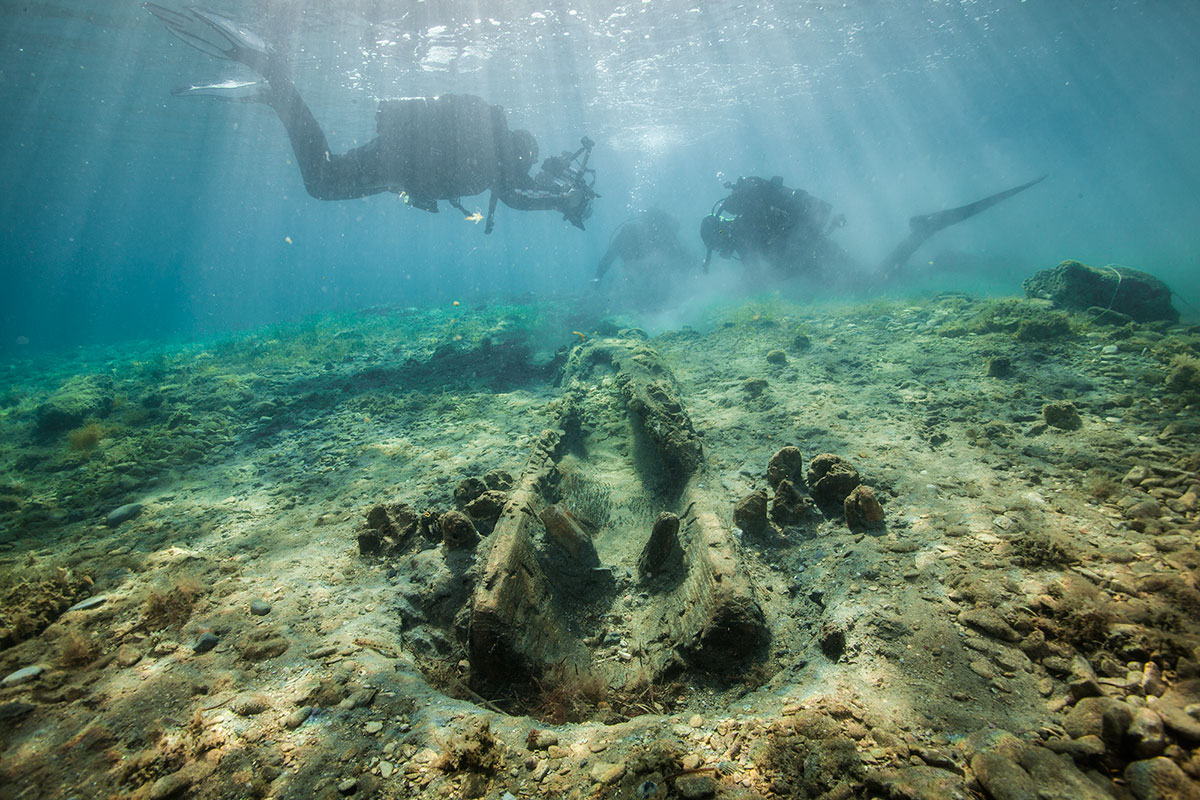
Beneath the layers of sand in the seabed of Bijeca Bay, the remains of a Roman saltworks have been preserved, indicating the importance of salt production in antiquity.

Salt helped preserve meat and fish, allowing food to last longer. Its importance is also reflected in the Roman word for salary – salarium, since Roman soldiers were sometimes paid in salt. One of the best-known Roman roads leading from Rome towards the Adriatic was called Via Salaria, or the Salt Road.

Approximately two thousand years ago, Bijeca Bay was a vibrant production site, a place of knowledge and expertise in the production and harvesting of salt. Due to the relatively small size of the saltworks (approximately 10 hectares), the salt produced at Bijeca was probably sold within the Pula ager.

Foto: Arheološkog muzeja Istre, Pula
Foto: Anton Unković

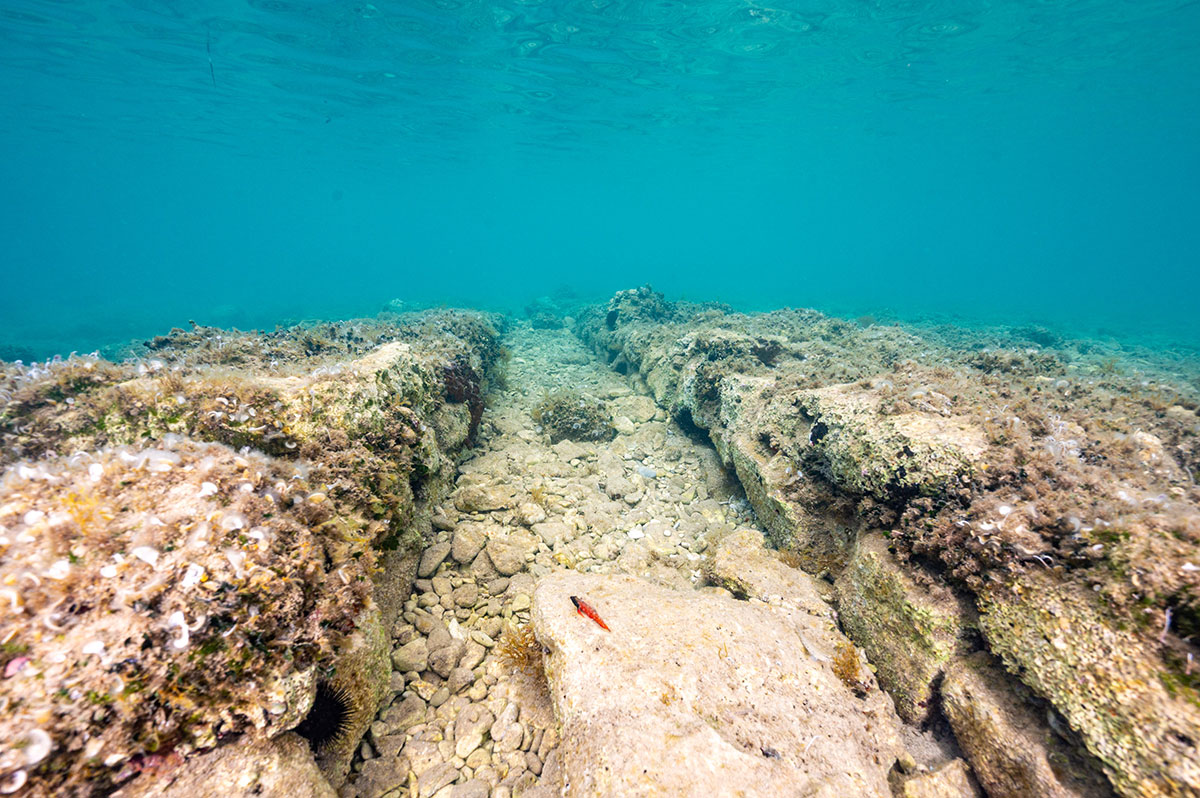
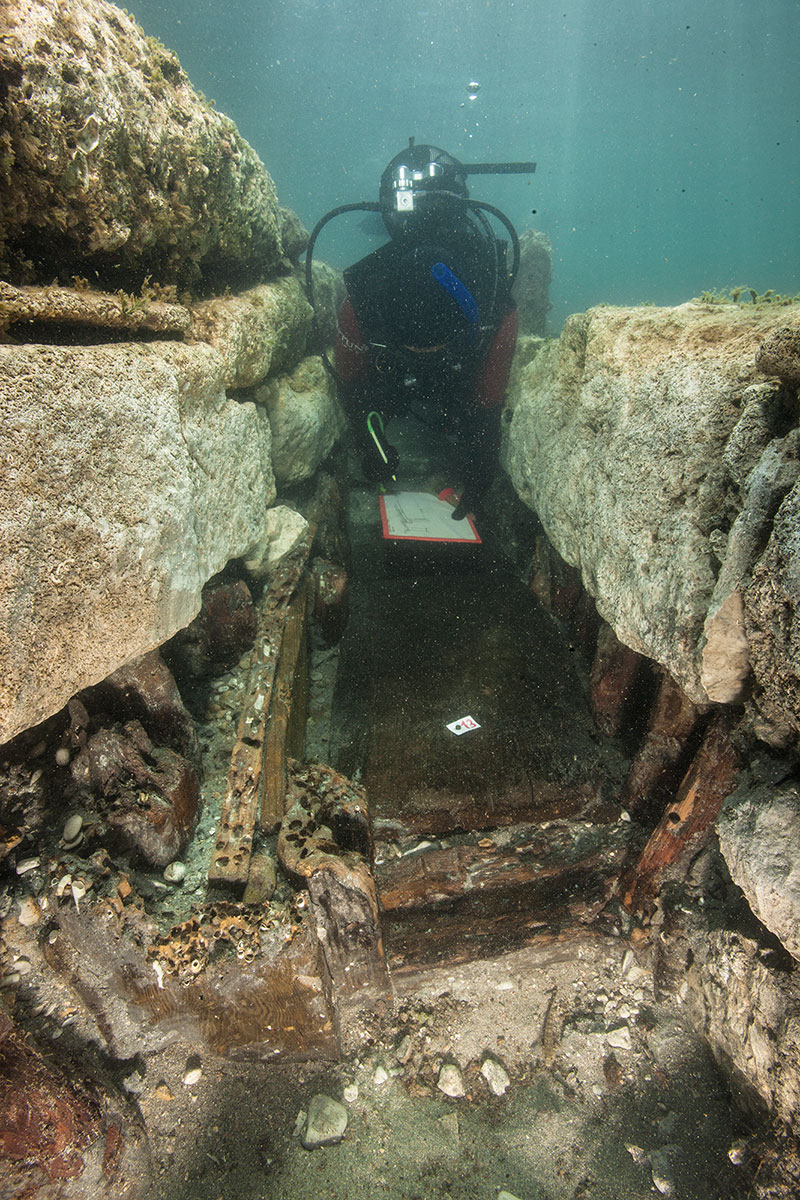
Among the preserved architectural remains of the saltworks, the best researched are the remains of the main saltworks channel (Canalis principalis), preserved over a length of 48 metres. This was the main supply channel connecting the saltworks with the open sea. At its entrance there were stone-and-wood sluice gates which were opened during high tide to allow seawater into the system and closed before low tide in order to retain seawater within the saltworks.

From the main channel, seawater was directed, with the help of sluice gates, smaller side channels, and wooden pipes, into a larger settling pond (sextaria), where the evaporation process began. As the water gradually became saltier (brine), it flowed into shallower evaporation pan and finally into the shallowest pan, where the process of salt crystallisation took place (crystallizaria). The resulting salt was manually collected by workers known as salinarii (salinatores) using wooden rakes and shovels, simple tools that continued to be used in later centuries for gathering precious sea salt.

Foto: Arheološkog muzeja Istre, Pula
Foto: Anton Unković

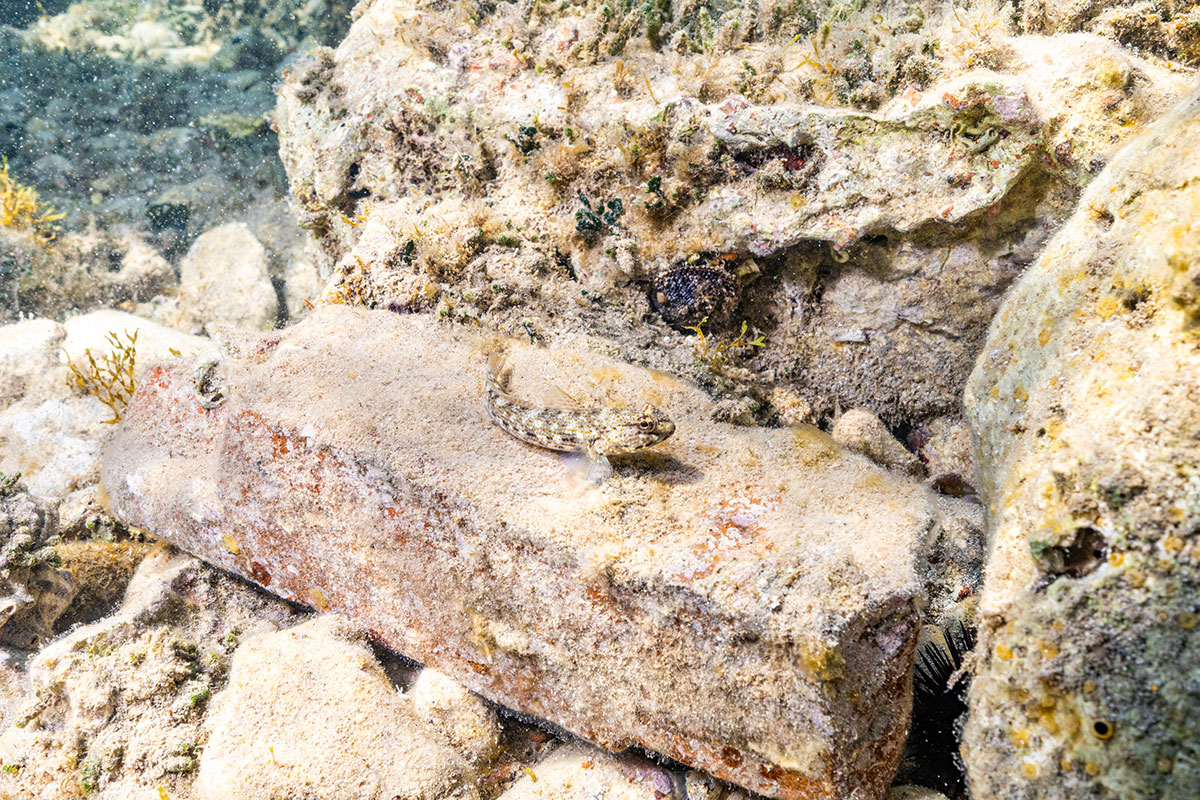
The main channel of the Bijeca saltworks was constructed from cut limestone using the building technique known as opus quadratum, characteristic of Roman architecture. On the exterior, the channel was coated with hydraulic mortar (opus signinum) in order to prevent seawater leakage. The channel included auxiliary channels and several sluice gates used to regulate the flow of seawater during the process of salt production. The channel floor was made of oak wood, while the inner side walls were lined with waterproof mortar and, in some places, wooden planks.

The channel extended from the former seashore towards the salt pans over a distance of 48 metres. At the very end of the channel there was a larger stone sluice structure fitted with a wooden gate used to regulate the inflow of seawater into the evaporation and crystallisation pans. Along the entire length of the channel, archaeologists have so far identified five similar sluice structures with a one-metre elevation difference, allowing strict control of sea levels within the salt pans isolated from direct tidal influences and hydrometeorological conditions.

Archaeological investigations conducted within and around the channel uncovered various wooden elements belonging to the saltworks production facility. The finds include oak pipes, some preserved in lengths exceeding five metres, wooden floors, sluice structures, gates, chests, and wooden piles used as foundations for the walls. These wooden remains survived due to the anoxic sediment (oxygen-free mud) in which the saltworks had been built.

On the western side of the bay, the remains of two additional stone-built channels associated with the saltworks are also visible, together with stone sluice elements fitted with gates. In the better-preserved channel, over a length exceeding 11 metres and a width of approximately 1.5 metres, two sluice structures used for regulating the flow of seawater have been found. One of them was made as a monolithic stone element with two square grooves connected by a channel.

Foto: Arheološkog muzeja Istre, Pula

Izrada Web aplikacije sufinancirana je sredstvima Europske unije iz Europskog fonda za regionalni razvoj.