Underwater Museum

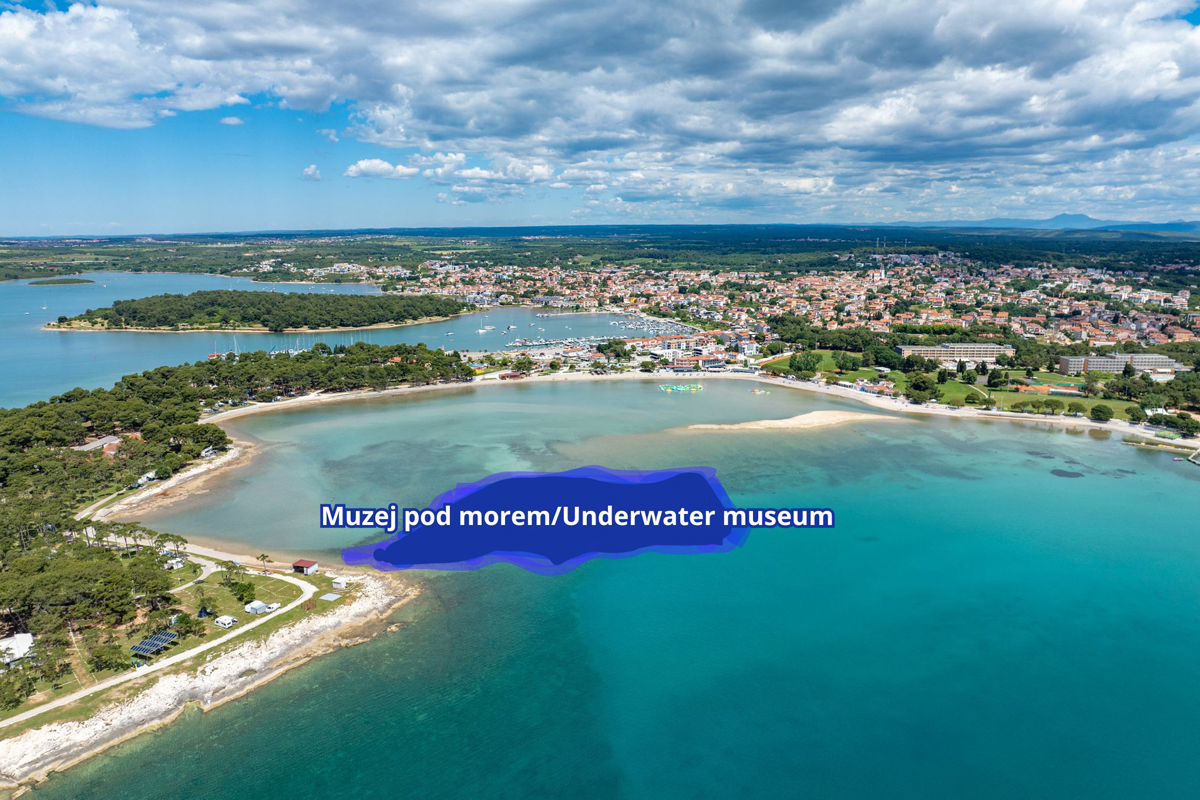
Highlighted area Autor: Anton Unković | Original photo

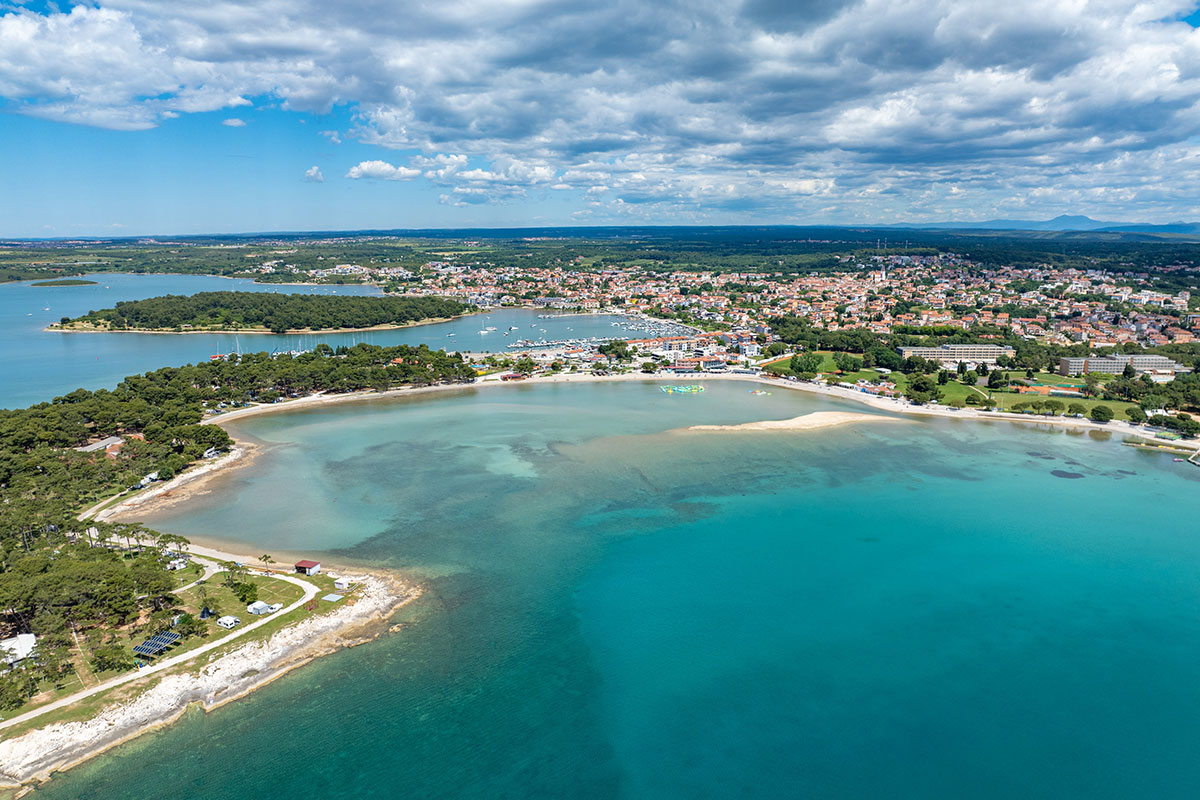
As part of the VALUE Plus project, funded under the Interreg Italy–Croatia Programme, the Municipality of Medulin has marked five locations within the underwater archaeological site in Bijeca Bay (Markovi Brigi), Medulin.

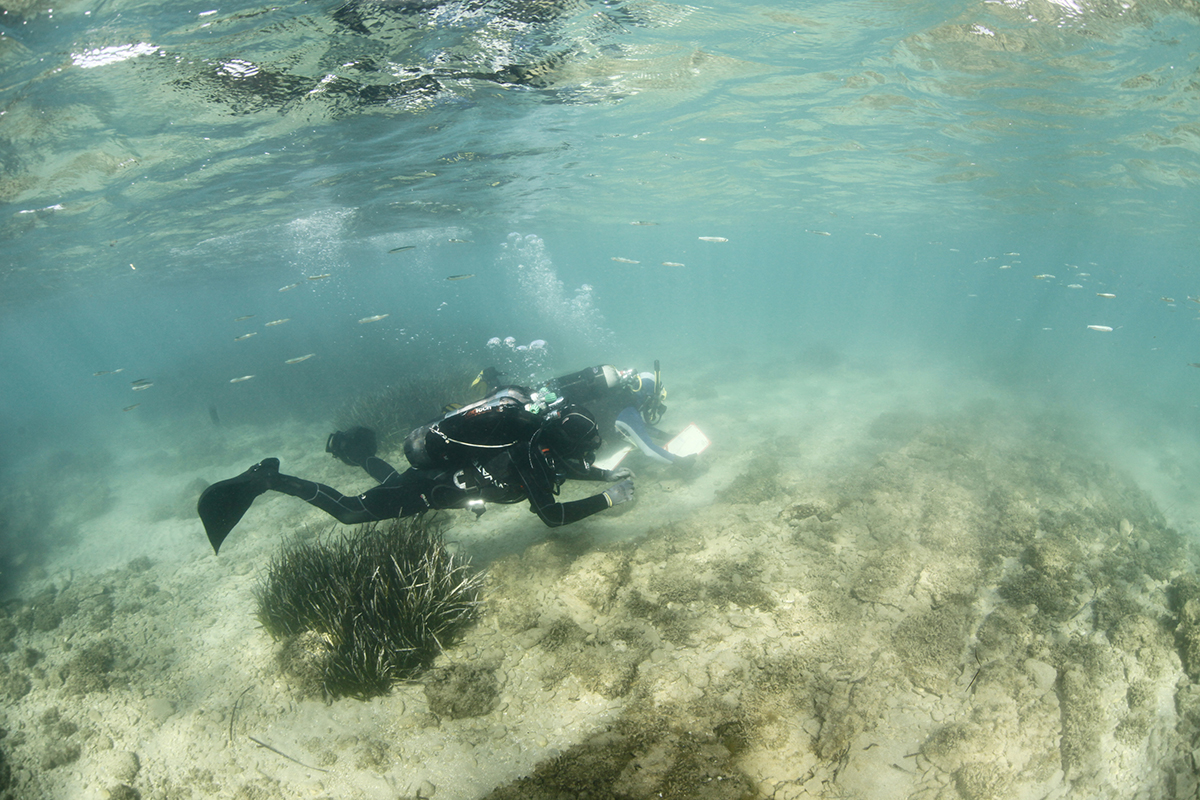
Visitors can independently explore the underwater archaeological site through a unique underwater experience. All you need is a mask and a snorkel. The underwater archaeological trail is marked with numbered buoys, which should be followed throughout the visit.
The marked archaeological locations are:

  1. Millstones
  2. Roman Road
  3. Saltworks
  4. Salt Storage Facility
  5. Saltworks Channel

Bijeca Bay – sunken Roman archaeological site

Foto: Arheološkog muzeja Istre, Pula

You are in Bijeca Bay, at a site where, nearly two thousand years ago, intensive production of salt, olive oil, and mariculture took place. Production continued from the 1st to the 5th century AD, and today the archaeological remains lie at a depth of up to two metres due to changes in sea level.

Underwater Trail

Millstones

You begin the tour at a location where preserved millstones indicate the existence of a Roman olive oil mill. In the wider area, 11 millstones have been found that were used for crushing olives. The resulting olive paste was then pressed to extract the oil. Istrian olive oil was highly valued throughout the Roman Empire.

Roman road

After the millstones, continue swimming carefully above the remains of a Roman road visible over a length of approximately thirty metres.

Saltworks

The next location features the remains of the main channel through which seawater entered the saltworks. This channel was a key part of the seawater supply system. Using wooden sluice gates, the Romans carefully regulated the flow of seawater. Through this channel, seawater was directed into evaporation basins, where the process of salt crystallisation began. The channel has been preserved over a length of 48 metres, so follow it along its entire course.

Salt storage facility

Near the main channel, the remains of a salt storage facility have been preserved. This storage building covered an area of more than 500 m² and consisted of several rooms. The outer walls of the structure were reinforced to ensure stability under the pressure of stored salt.

Saltworks channel

Finish the trail by exploring another saltworks channel. Preserved stone elements of sluice gates can still be seen here. They were used to regulate the flow of seawater into the channel and surrounding basins where the salt evaporation process took place.

Rules of Conduct Above the Sunken Archaeological Site

This underwater trail represents cultural heritage protected under the Croatian Act on the Protection and Preservation of Cultural Goods. Touching, removing, relocating, or lifting archaeological structures and artefacts is strictly prohibited. The use of metal detectors, side-scan sonar devices, similar equipment, or any other tools intended for searching for archaeological artefacts is forbidden.

If you discover archaeological objects during your visit, please inform the Ministry of Culture and Media of the Republic of Croatia or the Archaeological Museum of Istria in Pula (https://www.ami-pula.hr/hr/).

Foto: Anton Unković

Fun Fact

Foto: Anton Unković

Salt (Latin: sal)
Saltworks (Latin: salina)
Salary (Latin: salarium)

Archaeologists discovered the remains of what was once a highly sophisticated salt production facility beneath the sea.

In antiquity, salt was an essential commodity used for seasoning and preserving food.

The strategic importance of salt is reflected in the trade route known as the Via Salaria (“Salt Road”), which stretched from Rome across the Apennine Peninsula all the way to the Adriatic coast.

The word salary historically originates from Ancient Rome. It derives from the Latin word salarium, literally meaning “money for salt” or “salt allowance”, since Roman soldiers received compensation in salt or were given part of their wages to purchase salt. Over time, the meaning evolved into the modern term salary.

Izrada Web aplikacije sufinancirana je sredstvima Europske unije iz Europskog fonda za regionalni razvoj.